Phenomainon
Story

AI Joe

For three decades I built data and AI systems. Then, in 2019, I was asked to point them at the one dataset nobody had ever been able to explain.

I’ve spent my career in research and development — failing fast, diving deep, pivoting quickly. My foundation was public-sector work: projects at NASA’s White Sands Test Facility, White Sands Missile Range, and Johnson Space Center, where I provided secure communications between the range and JSC. That background, plus years of data engineering, AI, and application development, is what eventually put me in a room with people from defense, intelligence, and advanced research.

In December 2017 the New York Times published “Glowing Auras and ‘Black Money,’” exposing the Pentagon’s $22M Advanced Aerospace Threat Identification Program (AATIP), led by Luis “Lue” Elizondo and quietly funded since 2007. My friend Leslie Kean and her writing partner Ralph Blumenthal had opened the doors. The conversation that had lived in the shadows for seventy years was suddenly public.

The coalition

By 2018 a group of former intelligence officials and UAP Task Force members had formed under To The Stars Academy, brought together by Tom DeLonge — yes, the lead singer of Blink-182, and one of the most relentlessly intelligent people I’ve ever worked with. The team broke the stigma by sheer credibility:

  • Christopher Mellon — former Deputy Assistant Secretary of Defense for Intelligence
  • Luis “Lue” Elizondo — former head of AATIP and the UAP Task Force
  • Dr. Harold “Hal” Puthoff — physicist; founder of the original Stargate remote-viewing program
  • Steve Justice — 34-year veteran of Lockheed Martin Skunk Works
  • Jim Semivan — former senior CIA official

In 2019 I was invited to join, appointed a board member and advisor, and tasked with building a technology solution to present to AARO and the Senate Select Committee on Intelligence. They were the face of the organization. I was the AI nerd behind the curtain. That’s where I got the nickname — AI Joe.

The data problem

I’ve always believed this is, at heart, a data problem. There was footage everywhere — Corbell, Rogan, endless clips circling the internet — but nobody was answering why or how. I wanted the data so I could analyze the meaning of it, and the connections between all of it.

The challenge was to authenticate UAP incidents reported by U.S. military and government officials, and cross-reference them against hundreds of thousands of public reports and historical records: AATIP, NASA, the UAP Task Force, AAWSAP, Bigelow Aerospace (BAASS), NIDS, the Capella and Colares databases, the UK Ministry of Defence, and government data from Canada, Russia, Brazil, Italy and beyond — classified and unclassified, in video, image, audio, documents, and scientific studies.

I built a cloud-native pipeline with computer vision, NLP/NLU, machine learning, deepfake image and video analysis, and generative AI. I analyzed well over 500,000 incidents and joined them with flight, weather, satellite, agricultural, and magnetic-field data to look for what connected them.

The goal was to train the system on everything it should know — so it could detect what was unknown.

Half the job was disproving things: misidentified satellites, astronomical events, weather, ordinary aircraft. The other half was figuring out what was causing the part that was real. The work surfaced trends pointing to electromagnetic frequencies in UAP travel and communication, and correlations with specific conditions — the same patterns the generative-AI analysis later independently validated.
The talk

My coming-out party

Joe’s first public account of the work — how he joined the coalition, built an AI platform to analyze the data, and what the search for meaning in it turned up.

The work

Systems I built, shows I joined

The platform pushed cloud, data, and AI to their limits — and where off-the-shelf tools fell short, I built new ones: live video labeling, knowledge graphs, an object detector trained to recognize known craft so it could flag the unknown, and a small language model running computer vision on a device we launched to the edge of space.

Built · Launched to the edge of space
Aquila — Mission 1

A recognition, vision, and response service running on a custom payload — flown to the edge of space on the Aquila mission.

Built · On-device software
Aquila — full demo

A walkthrough of the software running on the payload and how to communicate with it in the field.

On stage · Space Symposium 2024
GenAI panel

Joe on the generative-AI panel at Space Symposium 2024, on AI for the aerospace and defense sector.

Hosted · Roundtable
AI in aerospace & defense

A roundtable Joe convened and moderated on applied AI in aerospace and defense.

Conversation · With Nick Pope
AI and alien first contact

Joe and Nick Pope on what artificial intelligence means for the search — and the possibility of first contact.

Aired · The History Channel
Skinwalker Ranch — analysis I

Footage Joe analyzed for the History Channel’s “Secret of Skinwalker Ranch.”

Aired · The History Channel
Skinwalker Ranch — analysis II

A second segment of media-forensics work for the Skinwalker Ranch production.

Built · Developer tooling
AI engineering copilot

An AI pair-programming copilot Joe designed and shipped — context-aware assistance for engineers.

The findings

What the data said

A data-centric approach, built to minimize bias: train the system on everything it should know, then study what’s left. Below are real outputs from that analysis — computer vision, media forensics, and AI indexing run over incident footage. Shared as research from the program-era work, not peer-reviewed claims.

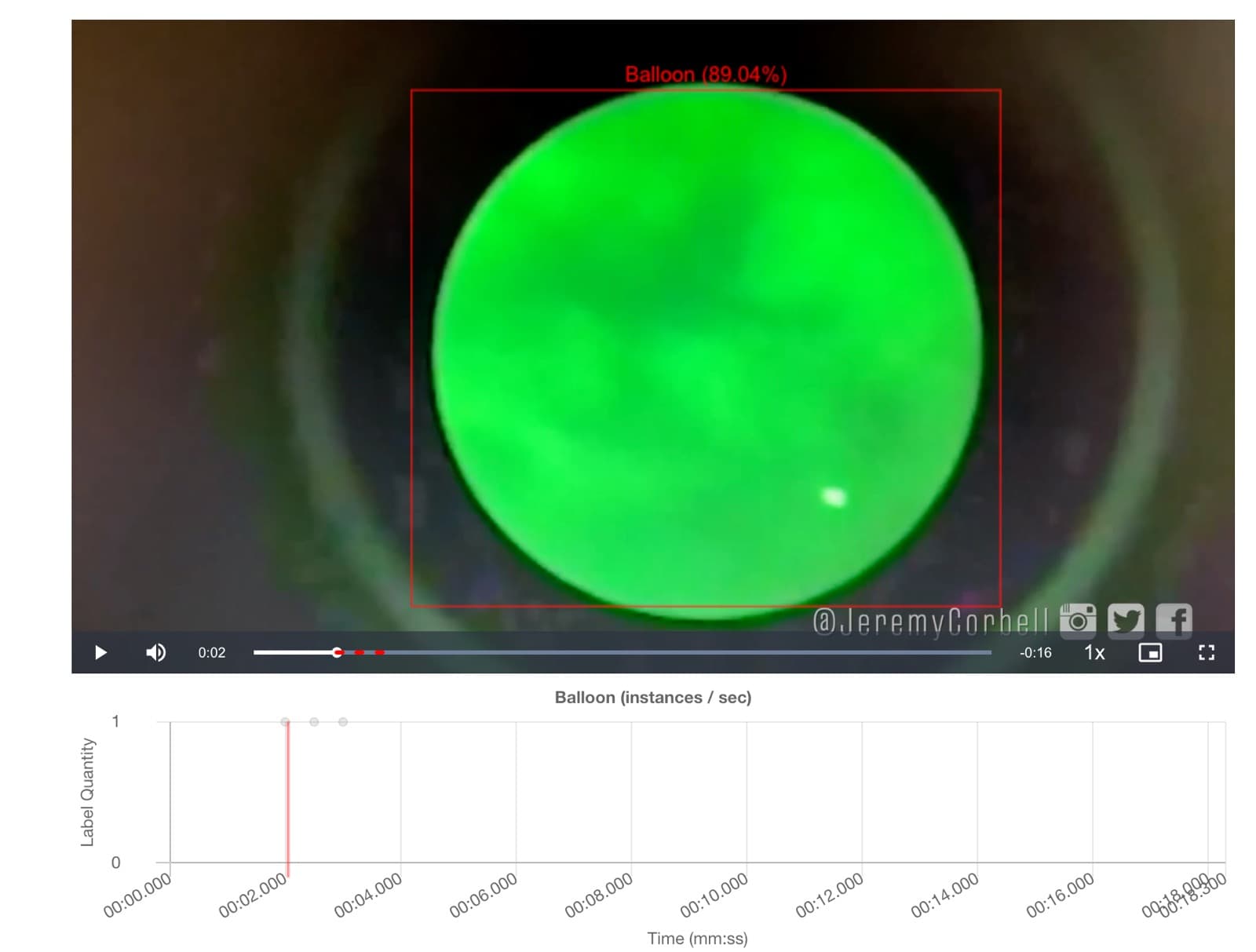
Computer-vision detector classifying the USS Russell object as a balloon at 89% confidence
Rigor

Half the work was disproving

A large share of reports resolved cleanly to ordinary explanations — satellites, astronomical events, weather, aircraft. Here the detector puts a box around the USS Russell “green sphere” and calls it a balloon at 89% confidence. Ruling out the mundane is what makes the residual — the part that stays unexplained — worth taking seriously.

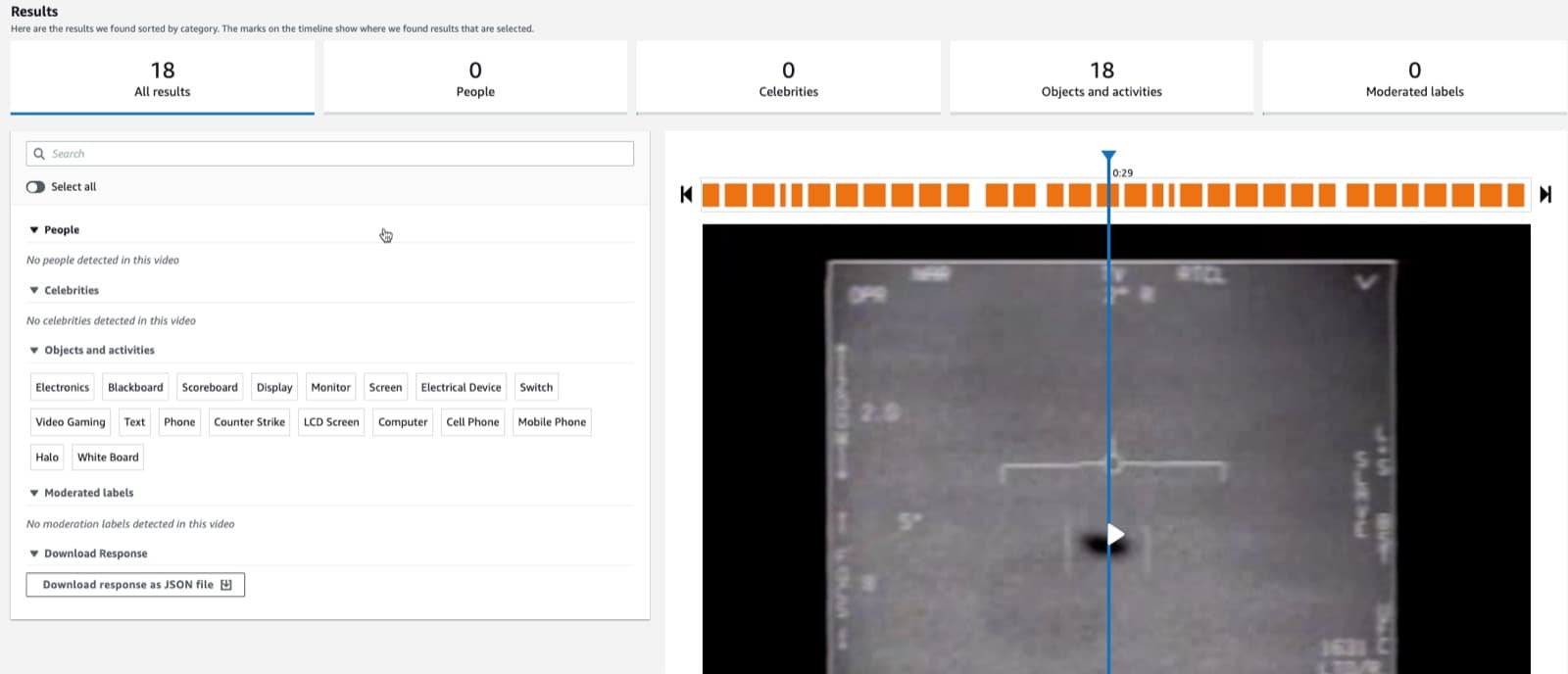
Computer-vision object detection over the released FLIR1 footage
Method

Train it on the known to find the unknown

An object-detection platform trained on known craft and objects, run frame-by-frame over incident footage — here the released Navy “FLIR1” / Tic Tac video, parsed into detected objects and activities. The goal was always the same: teach the system everything it should recognize, so what’s left is what it can’t.

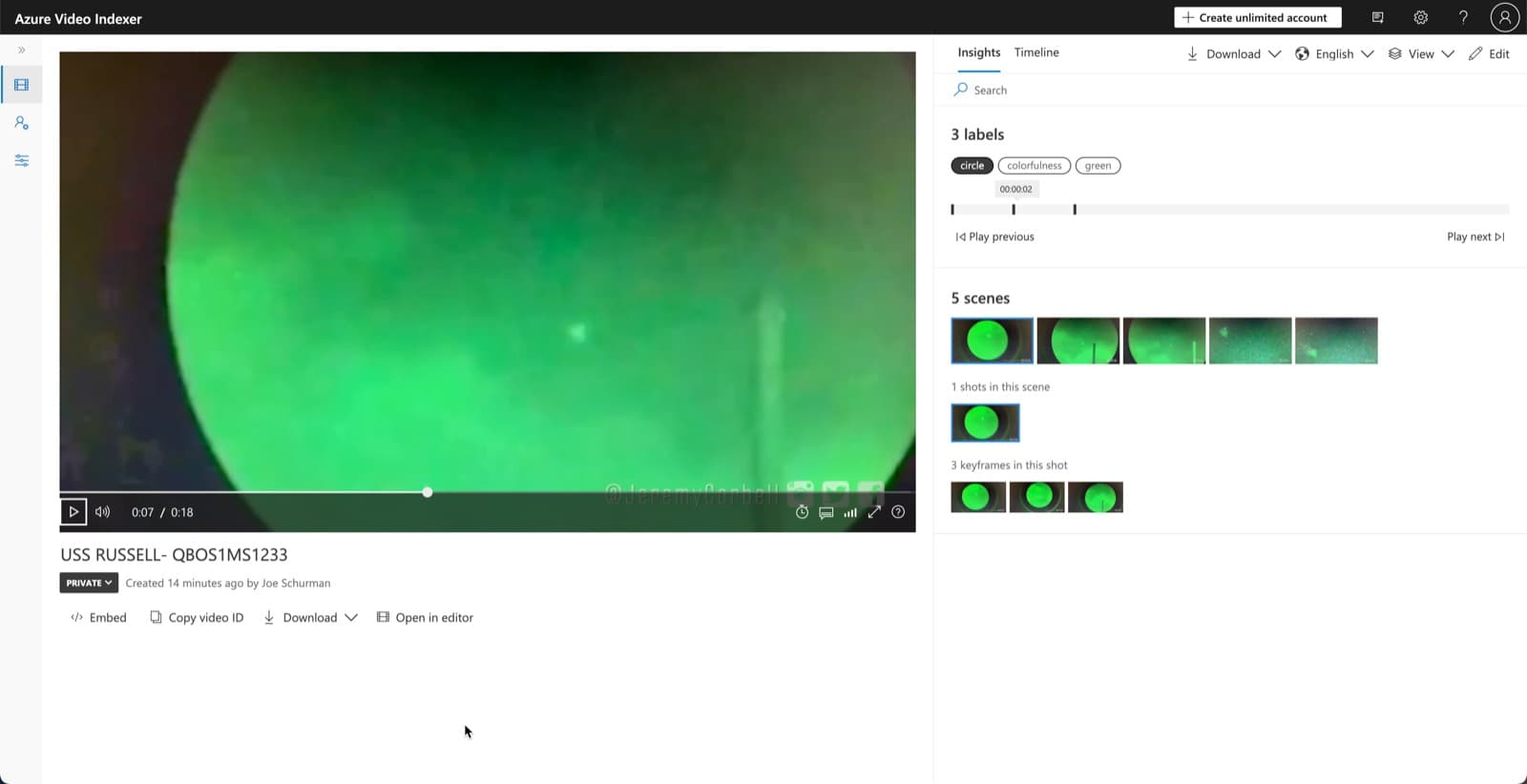
AI video indexer with labels, scenes, and timeline insights
Pattern

Every frame, indexed and searchable

Beyond single detections, each video was run through an AI indexer that labeled objects, scenes, and audio across its full timeline — turning raw footage into structured, queryable data. Patterns that a single still never shows emerge once the whole record is searchable at once.

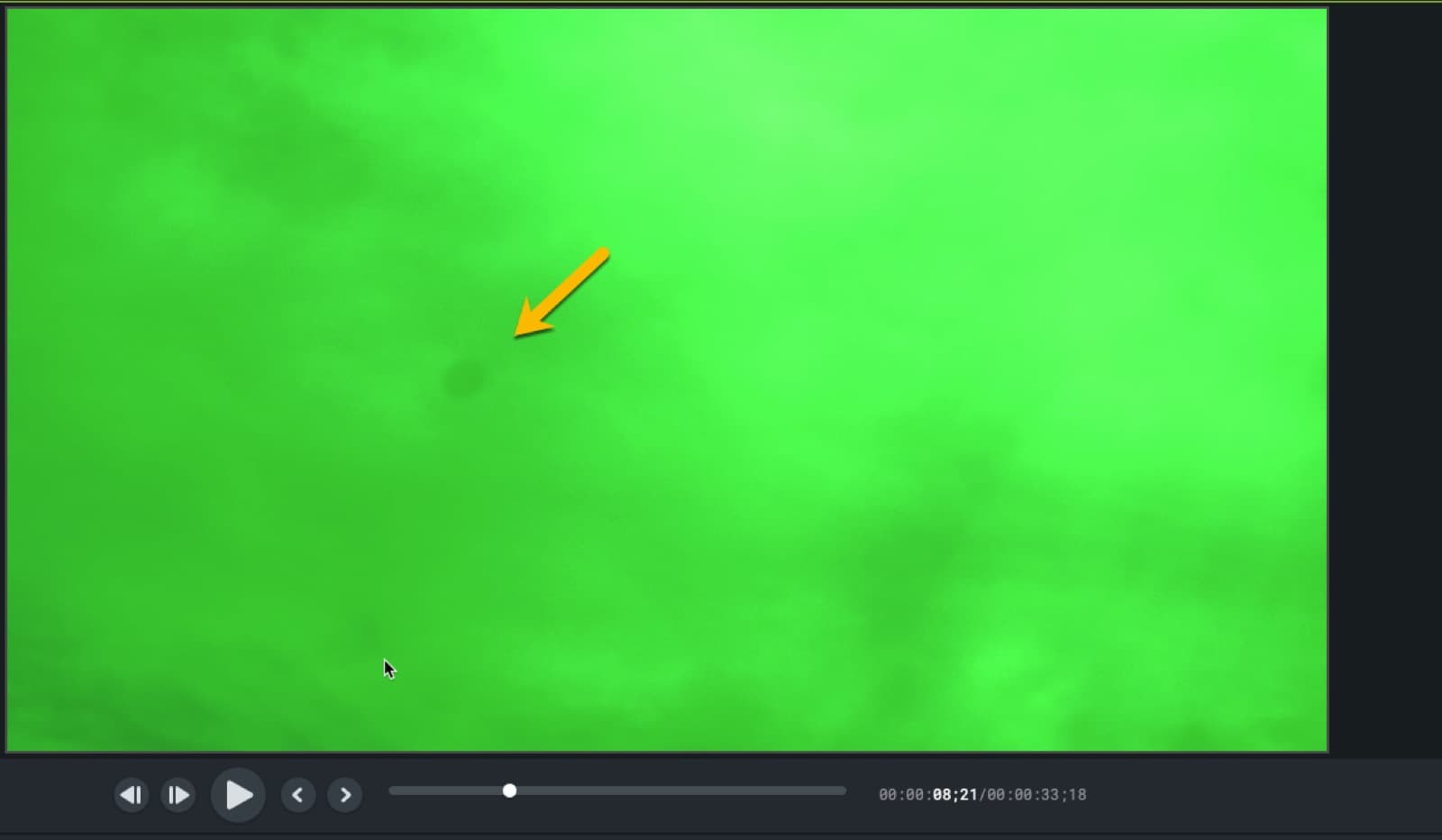
Reprocessed frame recovering an object the first pass missed
Anomaly

The “fake-looking” objects that weren’t

Some objects looked pixelated and failed the first authenticity tests — not because the footage was faked, but because reprocessing was needed to see what was there. Modified filtering and background-subtraction passes recovered detail the original analysis had missed, pulling the object back out of the noise.

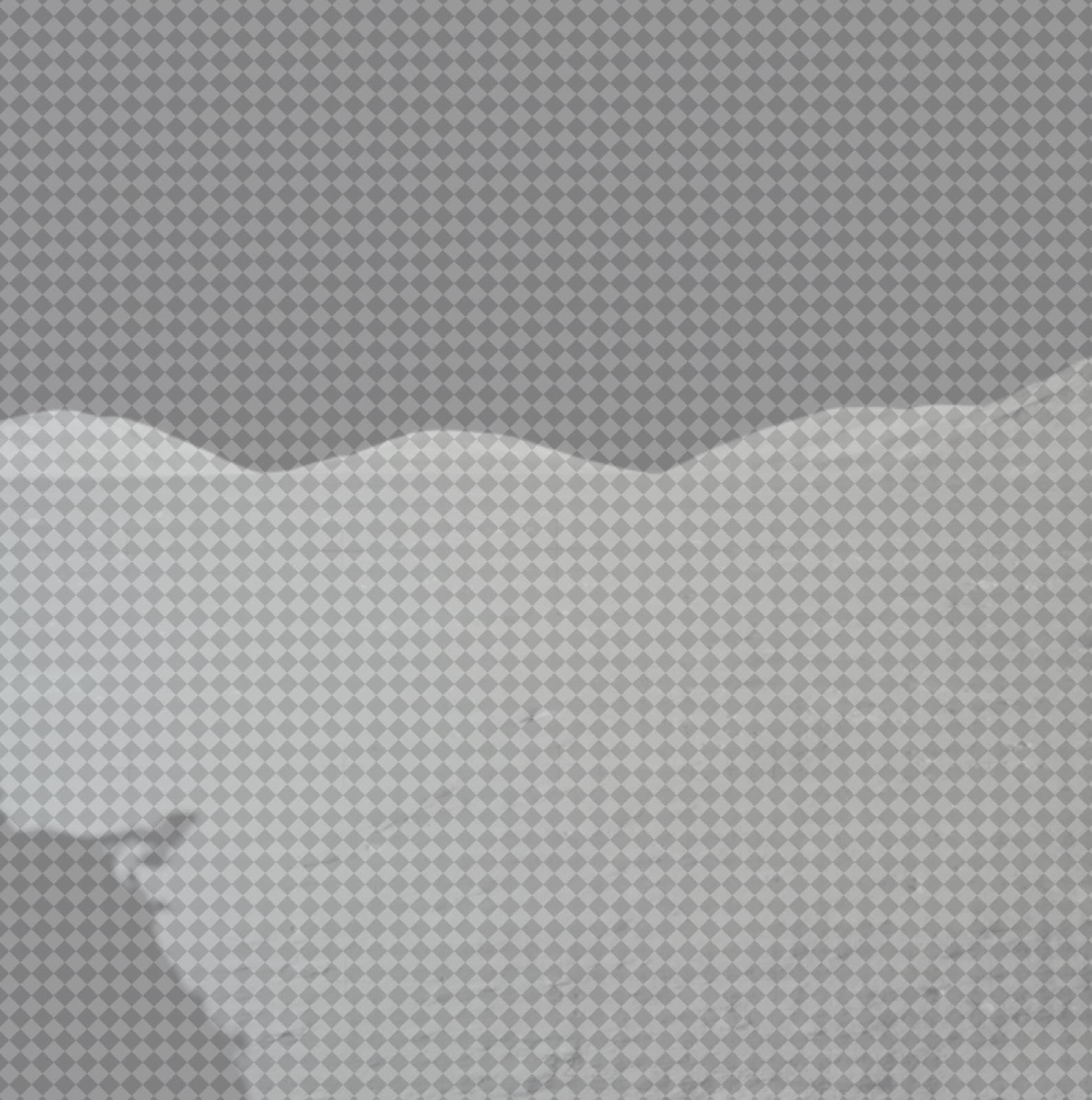
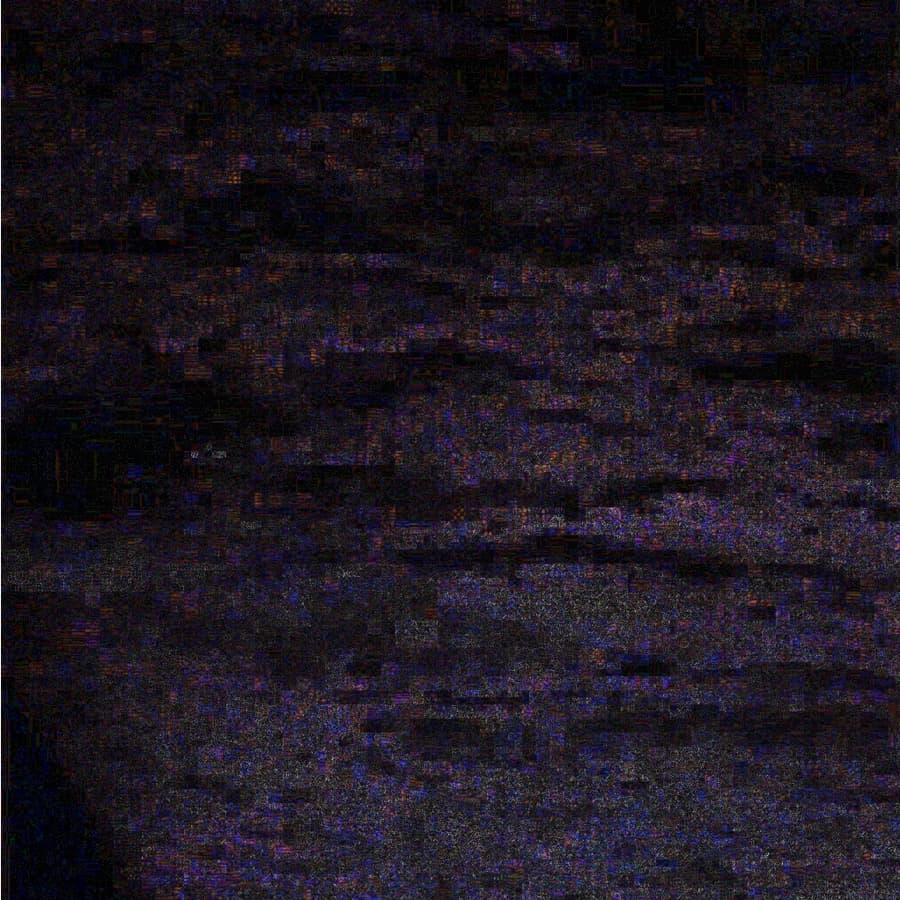
Pixel-level image forensics on NASA imagery
Forensics

A full battery, run on every frame

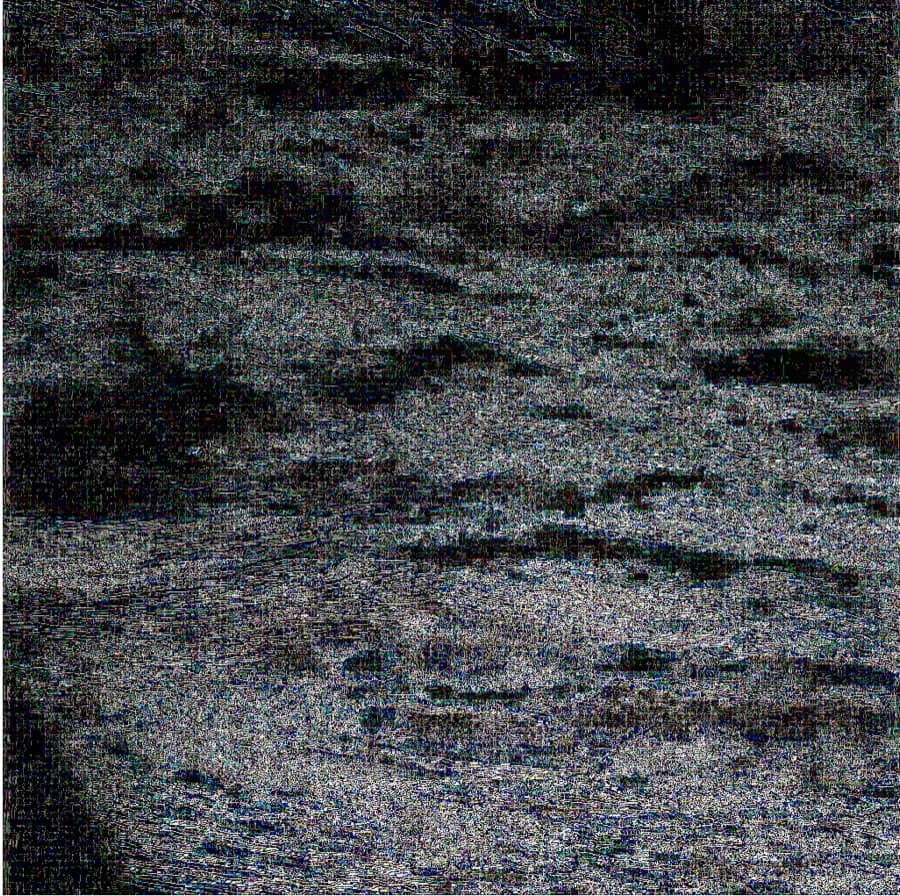
Authenticity isn’t one test — it’s many. Error-level analysis, principal-component analysis, noise residuals, luminance gradients, and clone detection each expose a different kind of tampering or compression artifact. Run together on the NASA imagery, they either corroborate a real capture or surface the seams of a fake.

  • Error-level analysis
    Error-level analysis
  • Principal-component
    Principal-component
  • Noise residual
    Noise residual
  • Luminance gradient
    Luminance gradient
  • Clone detection
    Clone detection
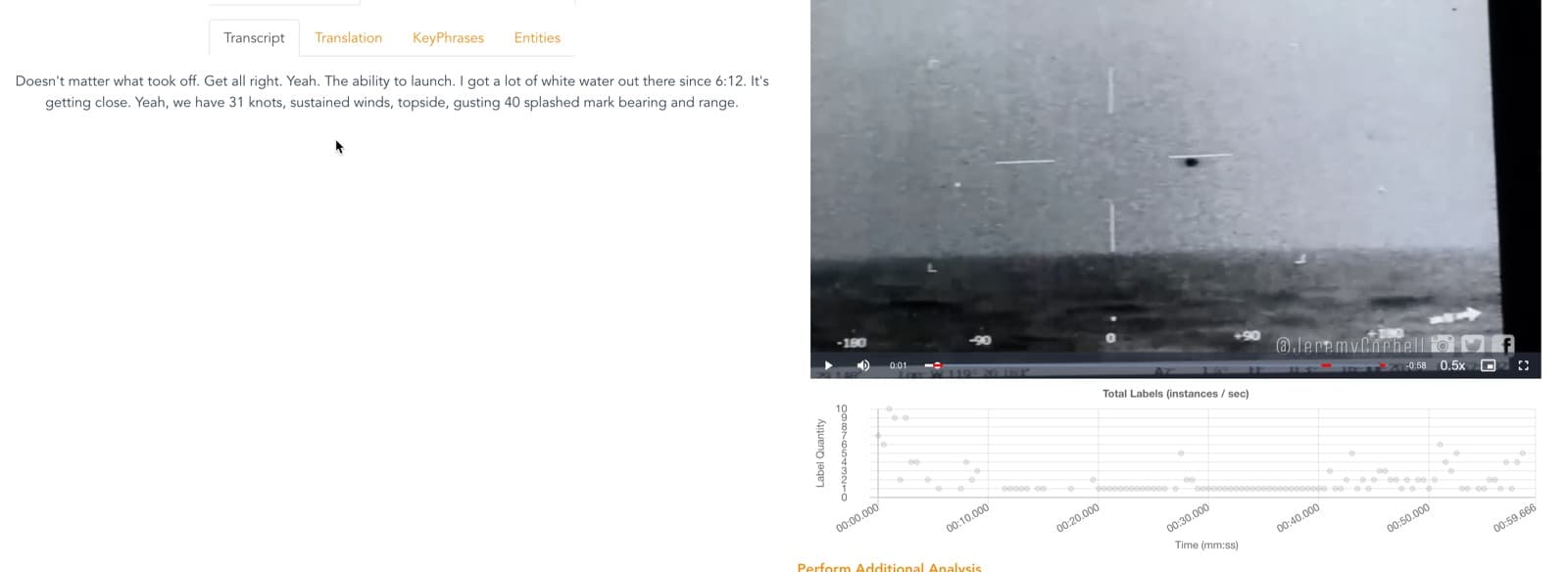
Speech-recognition transcript extracted from incident audio
Audio

The footage talks back

Analysis wasn’t only visual. Speech recognition pulled the cockpit and bridge audio into searchable transcripts — here, a Navy crew calling out wind, speed, and bearing as an object splashes. The words anchor a clip in time and place, and corroborate what the video shows.

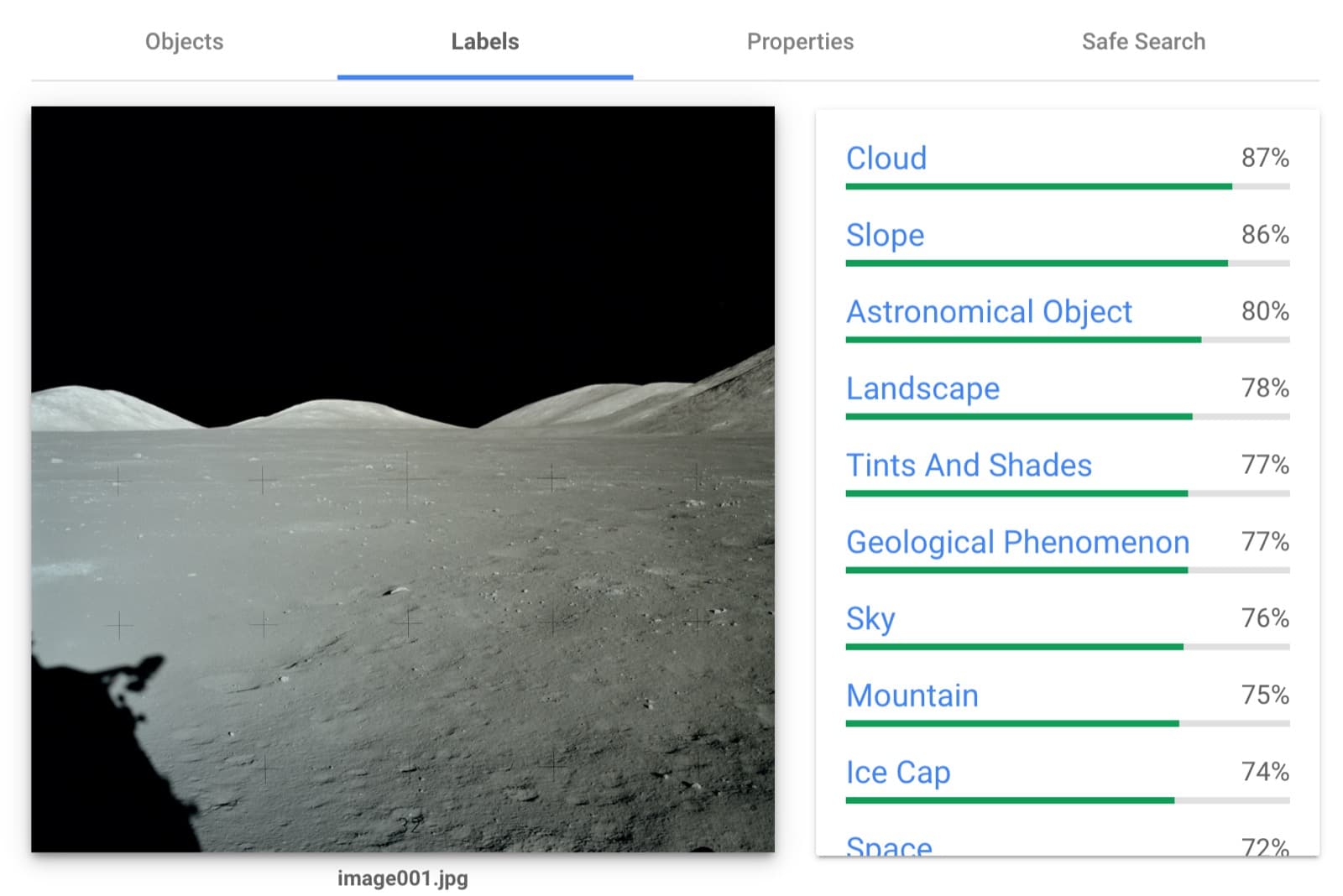
Cloud computer-vision labels on Apollo-era imagery
Provenance

NASA-era imagery, put to the same test

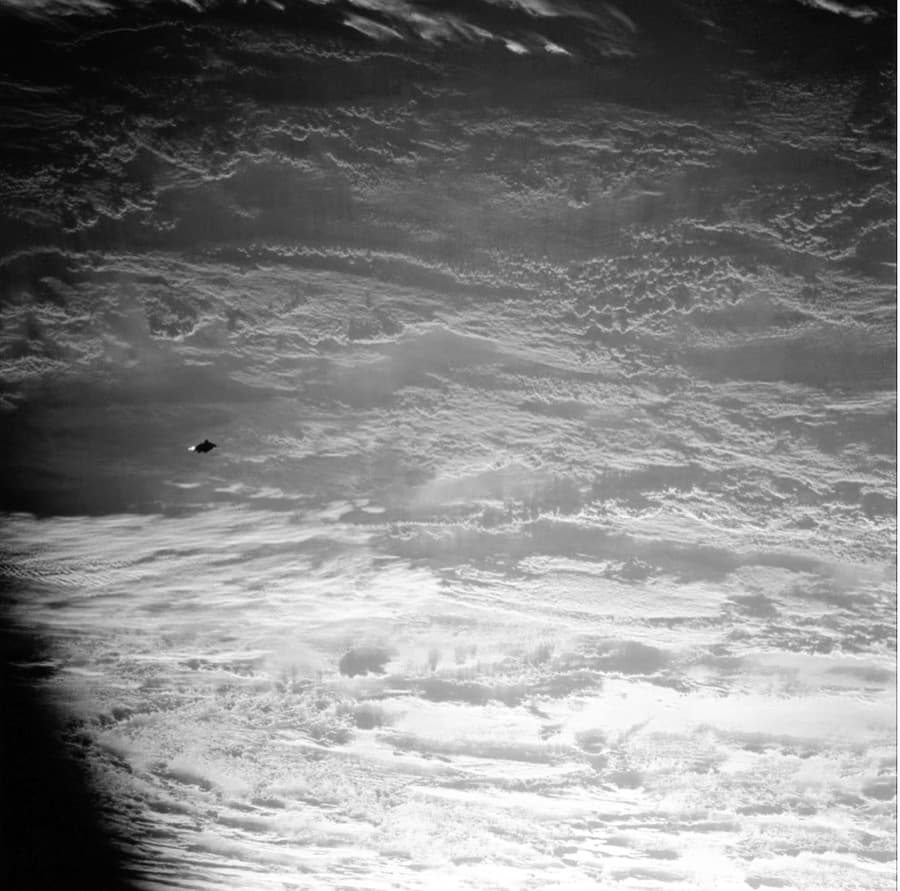
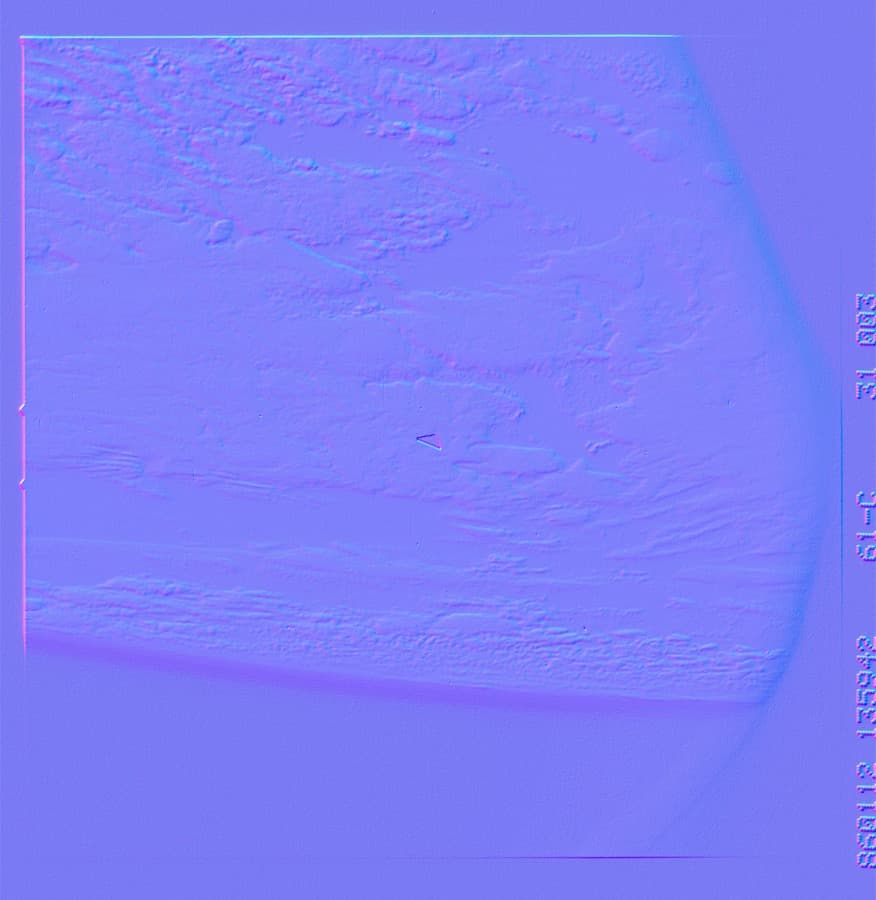
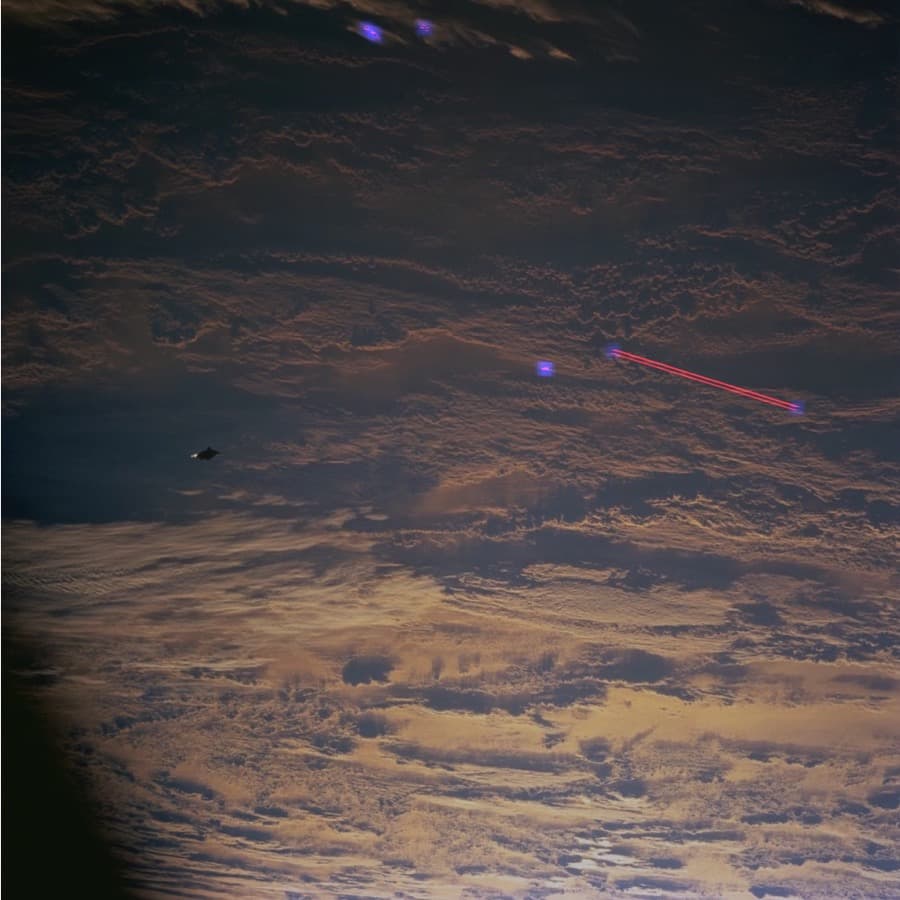
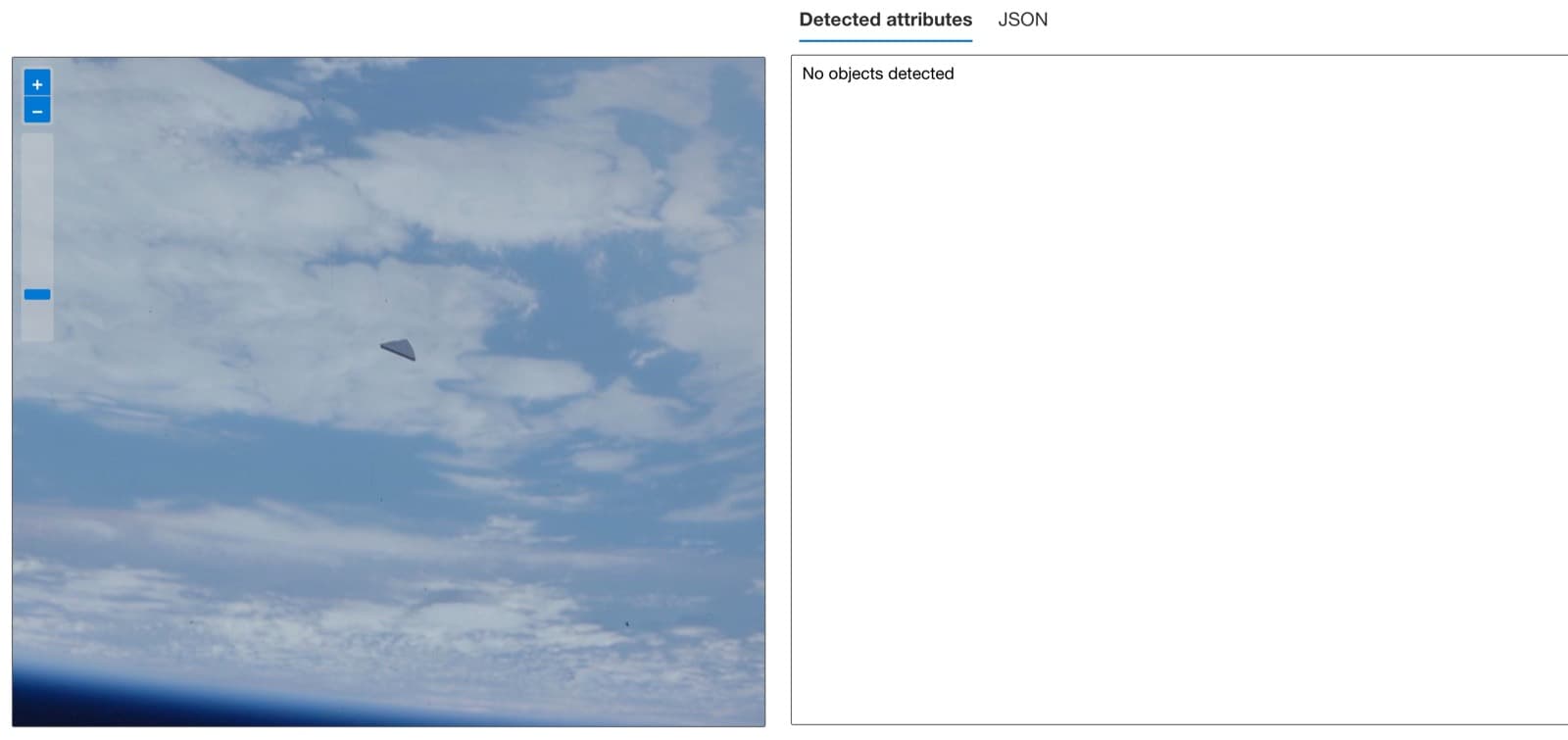
The work reached back into the archive. Apollo and Shuttle frames went through the same cloud computer-vision pipelines — AWS, Google, and Azure — to label what each model could and couldn’t identify. When a triangular object returned “no objects detected,” that absence was itself a data point.

  • Azure: “no objects detected”
    Azure: “no objects detected”
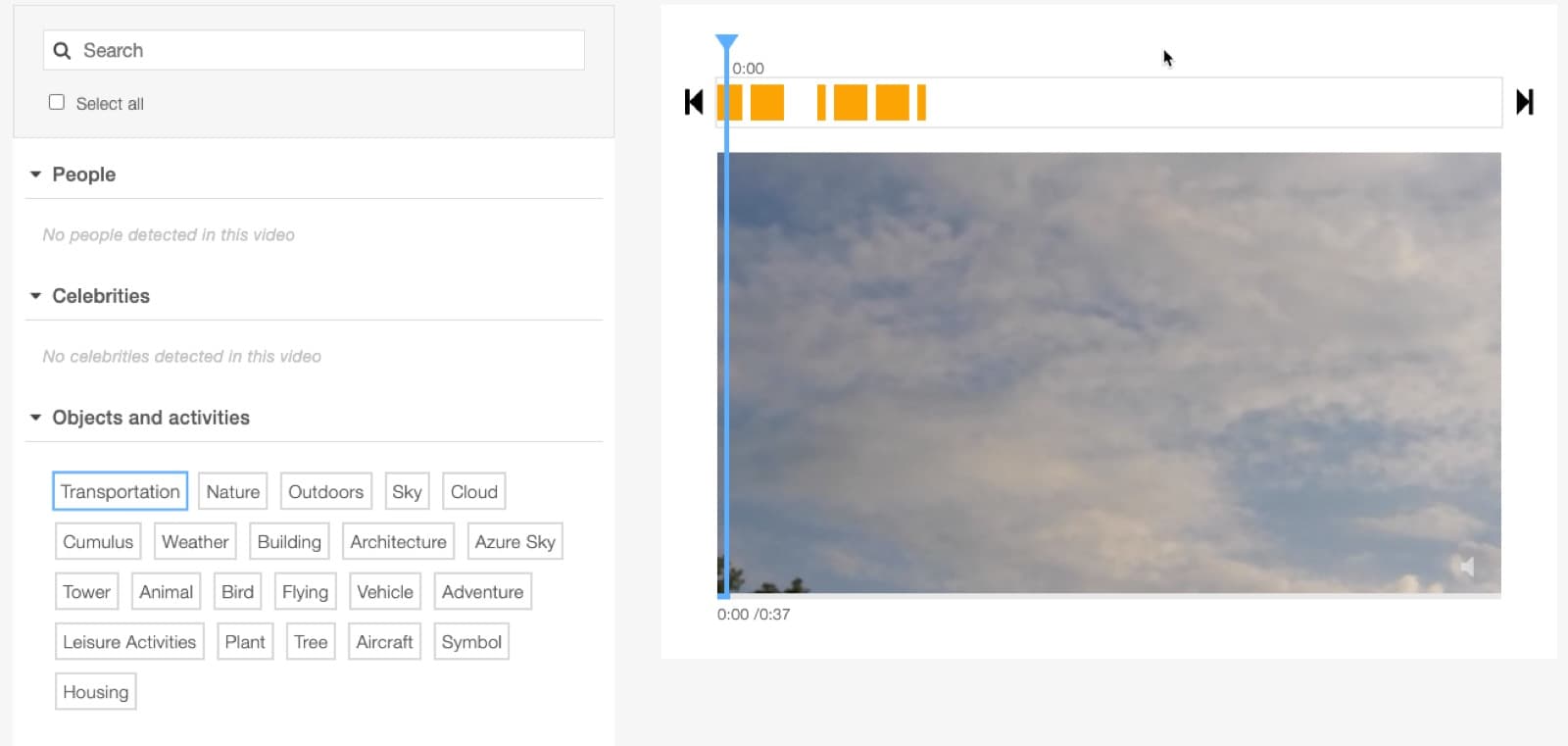
AI indexer labeling a wide taxonomy of objects across a video
Breadth

One pipeline, every kind of object

The same indexer that flagged the unexplained also reads the ordinary — transportation, aircraft, weather, sky, architecture — across tens of thousands of objects per video. Knowing the system can name everything mundane is exactly what makes its silences worth investigating.

The years

Along the way

A few moments from the work — the team, the media, the rooms it all happened in.

This work changed the stigma around UAP research. It fed policy — the Navy’s reporting program, the creation of AARO. And we’ve barely scratched the surface.

What I’m building now is the next layer: past what has been seen, toward meaning, forecasting, and the technology underneath it all. Phenomainon is where that work lives in the open.